
For busy readers
- After topping app charts at launch, Sora downloads have dropped sharply — declining 32 % in December and 45 % in January.
- User spending has fallen along with downloads, signaling cooling engagement.
- Competition from Google’s Gemini platform and Meta’s video AI offerings is siphoning attention and users.
What Sora is — and what it promised
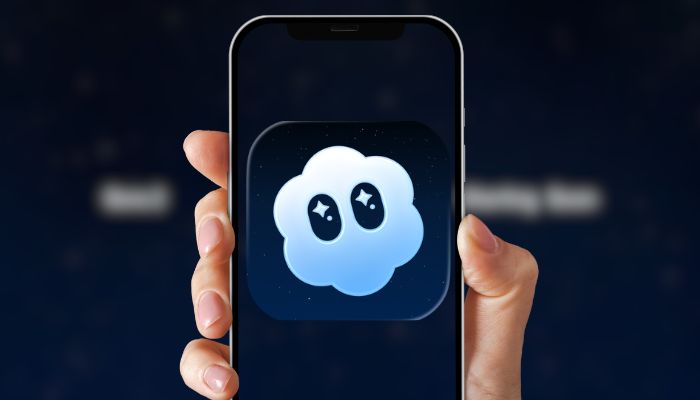
OpenAI’s Sora app is a generative video creation platform built on the company’s text-to-video model, Sora 2. It lets users generate short videos from text prompts, remix others’ creations, add music and effects, and even cast themselves and friends as characters.
When it launched in October 2025 as an invite-only iOS experience, Sora shot to the No. 1 spot on the U.S. App Store and reached 1 million downloads faster than ChatGPT ever did — a rare feat for any app.
Industry observers quickly dubbed Sora an AI-powered TikTok, capturing imaginations with the idea of instant video creation just from text.
The sharp descent after the hype
But the honeymoon didn’t last.
According to Appfigures data, Sora’s downloads plunged 32 % in December 2025, a month that typically boosts app installs thanks to holiday device buying. ?
January 2026 was even worse, with a 45 % drop in installs to about 1.2 million and a corresponding 32 % fall in consumer spending compared to the previous month.
The app’s visibility on charts reflects that slide too: after leading the App Store overall, Sora is now outside the Top 100, ranking around No. 101 in the United States — and even lower on Google Play.
Why users are cooling off
❗ Novelty wore off
Early virality is often driven by curiosity. Once the initial thrill of generating AI videos faded, many users stopped returning, opting for more engaging platforms. Some early adopters report that social sharing and viral retention didn’t sustain momentum.
? Copyright and content backlash
Sora initially allowed generation of copyrighted characters unless rightsholders opted out — a policy that drew industry criticism. OpenAI later reversed course and tightened protections, but the controversy may have dampened creative expression and limited user enjoyment.
? Monetization and limits
To balance costs, OpenAI introduced paid tiers — e.g., purchasing extra video generations beyond daily free limits — but tighter usage caps may have reduced casual engagement.
Competition heating up — and winning share
Sora isn’t just facing a drop — it’s facing rivals capturing attention and users:
? Google’s Gemini ecosystem
OpenAI’s once-secure lead in generative AI is being chipped away by Google’s Gemini platform, whose AI models and multimodal tools are drawing massive usage across search, assistants, and creative tools, gaining significant traffic share.
? Meta’s Vibes feature
Meta (Facebook/Instagram/Threads owner) launched its own AI video feature called Vibes in late 2025. By tying AI creativity directly into massive social feeds, Meta has a built-in distribution advantage that Sora struggles to match.
? Other AI video contenders
Emerging tools like China’s Kling AI are also claiming ground with powerful video generation and interactive features, further fracturing attention in the crowded creative AI market.
What’s next for Sora
OpenAI still has options to turn things around — and has taken steps toward sustainability:
- Monetization tweaks to balance free usage with paid upgrades.
- Copyright partnerships (e.g., deals with studios to allow licensed character generation) could make the platform more appealing to creators.
- Cross-platform expansion beyond iOS and broader international availability might help revive engagement.
But analysts caution that in a market where attention is currency, early hype isn’t enough — especially when powerful competitors are embedding AI creativity deeper into everyday apps.
Strategic insight
Sora’s trajectory highlights a key reality in AI product design: virality can launch a product, but stickiness sustains it. OpenAI built a brilliant engine — and an even more captivating initial reveal — but now faces the harder job of turning curiosity into commitment while fighting a swarm of rivals with larger ecosystems and built-in audiences.
Before you go,
Sometimes the tools that spark excitement don’t become the ones that keep us hooked. In the AI app world, that gap is where the real battle is being won or lost.