 user
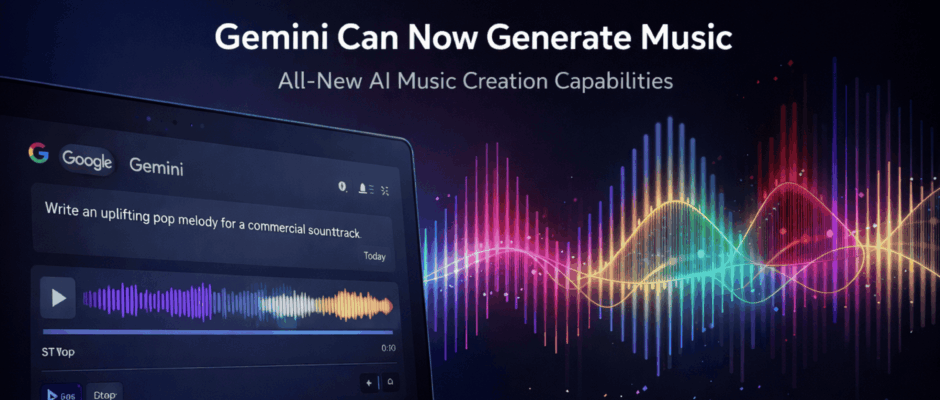
userGoogle Just Taught Gemini to Make Music — And That Changes the AI Game
Google’s Gemini is no longer just answering questions.
It’s beginning to compose music — and that signals a much bigger shift in AI creativity.

Google’s Gemini is no longer just answering questions.
It’s beginning to compose music — and that signals a much bigger shift in AI creativity.
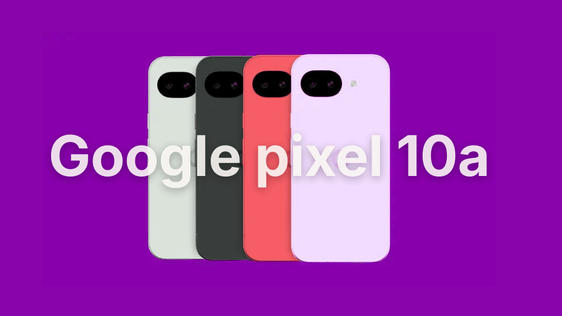
Google’s Pixel 10a isn’t trying to win the specs war.
It’s designed to quietly dominate the mid-range smartphone segment through AI, pricing discipline, and ecosystem strategy.
Google recently introduced a new AI-powered “Auto Browse” feature in Chrome, powered by its Gemini models. Rather than being a flashly gimmick, Auto Browse signals a shift in how we interact with the web — turning passive browsing into active, AI-guided exploration. And now that it’s been rolling out for a bit, the early impact is already reshaping workflows for students, researchers, and everyday users alike.
Google recently agreed to pay $135 million to settle a major class-action lawsuit claiming it collected Android users’ cellular data without proper consent — even when users thought they had opted out. Beyond the headline number lies a deeper story about how data flows through your phone, why regulators and courts are watching closely, and what this could mean for user privacy and the broader tech industry.
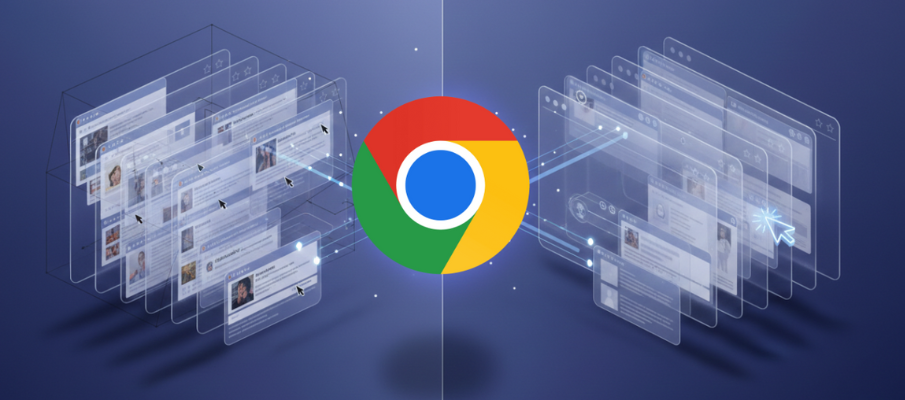
Chrome is transforming from a traditional browser into an AI-powered companion—one that can not only answer questions but also act on your behalf. With tighter Google Gemini integration and new “agentic” autonomous features, Chrome is taking the fight to emerging AI-first browsers and setting a new standard for web productivity in 2026.
 thebohemianbliss
 Sunil Menaria