

In brief (for busy readers)
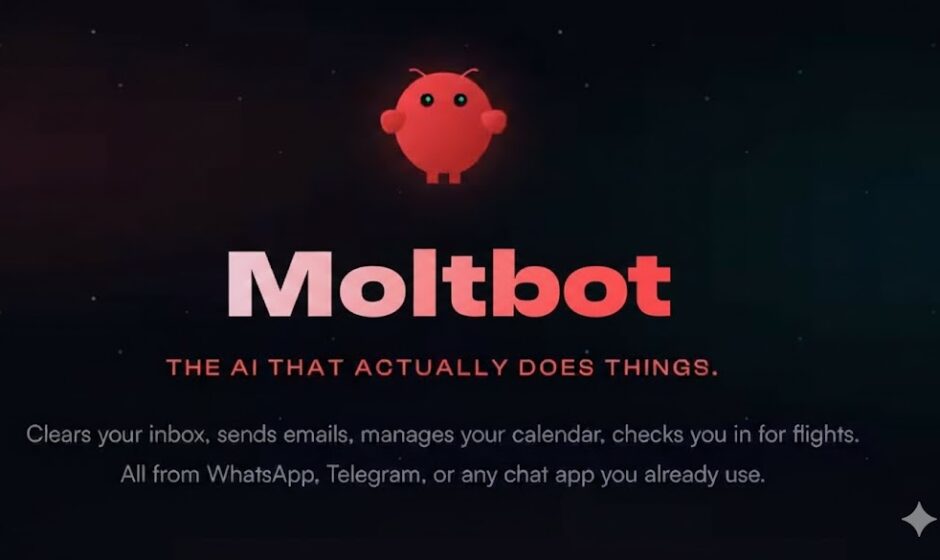
- Moltbot is a local-first personal AI assistant built around memory and continuity.
- Unlike browser chatbots, it retains context across sessions and workflows.
- Its appeal lies in feeling less like a tool and more like a quiet collaborator.
For a brief moment on the internet, it felt like everyone was asking the same question:
“Wait… is this AI actually living on my computer?”
That question is exactly why Clawdbot went viral — and why its rebranded successor, Moltbot, is still spreading quietly through tech circles, creator communities, and curious power users.
This isn’t just another chatbot tab you open and forget. Moltbot feels different because it behaves less like an app and more like a personal digital presence.
So, What Exactly Is Clawdbot (Now Moltbot)?
At its core, Moltbot is a local-first personal AI assistant designed to sit alongside your daily digital life rather than interrupt it.
Unlike traditional AI tools that:
- live inside a browser
- respond only when prompted
- forget context the moment you close a tab
Moltbot is built to:
- stay active on your system
- remember context across sessions
- observe workflows (with permission)
- act more like a quiet helper than a command-line tool
People didn’t call it “viral” because it was flashy.
They called it viral because it felt intimate.
Why the Name Changed: Clawdbot → Moltbot
The rebrand wasn’t cosmetic — it was philosophical.
- Clawdbot implied “cloud-first”
- Moltbot implies evolution, shedding layers, adapting over time
The team leaned into the idea that a personal AI shouldn’t feel fixed. It should grow with the user, learn patterns, and evolve preferences — much like a second brain slowly taking shape.
That shift resonated deeply with users who are tired of tools that reset every day.
What Moltbot Actually Does (In Plain English)
Moltbot doesn’t try to do everything. That’s intentional.
Instead, it focuses on being:
- context-aware
- persistent
- quietly useful
Typical use cases include:
- Summarizing ongoing projects across files and notes
- Helping write, rewrite, or refine content without breaking flow
- Acting as a memory layer for conversations, ideas, and drafts
- Assisting developers or writers without pulling them into a browser
Think of it less as “Ask AI” and more as “AI that already knows what you’re doing.”
Why People Are Excited (And a Little Uneasy)
Public sentiment around Moltbot falls into two camps:
The excitement
- “This feels like the first AI that actually understands me.”
- “I don’t have to re-explain myself every time.”
- “It feels closer to how humans actually think.”
The hesitation
- “Do I really want an AI observing my workflow?”
- “Where does my data live?”
- “What happens if this becomes too dependent?”
That tension — usefulness vs intimacy — is exactly why Moltbot stands out. It sits right on the edge of what feels powerful and personal.
How to Use Moltbot (Without Overthinking It)
You don’t need to be an engineer to try it.
The general flow looks like this:
- Install Moltbot as a local or desktop-based assistant
- Grant it access only to what you’re comfortable sharing
- Start small — drafts, notes, summaries
- Let context build naturally over time
The real value doesn’t show up in 5 minutes.
It shows up after a few days when you realize:
You stopped explaining things.
Similar AI Assistants You Should Know (Very Briefly)
This category is growing fast. A few notable mentions:
- Rewind AI – focuses on total recall of meetings and conversations
- Rabbit R1 – hardware-first AI assistant for task execution
- Humane AI Pin – wearable AI with ambient interaction
- Mem AI – memory-first note assistant that resurfaces context
Each solves a piece of the puzzle.
Moltbot’s edge is presence + continuity.
Where This Is Headed
Moltbot signals a shift away from:
- prompt-driven AI
- one-off interactions
- “chatbot as a website”
And toward:
- ambient intelligence
- long-term memory
- assistants that feel less like tools and more like collaborators
It’s early. Rough edges exist. But the direction is clear.
A Note for Engineers (And the Curious Builders)
If you’re reading this and thinking:
“I want to build my own version of this…”
You’re asking the right question.
This space isn’t about bigger models — it’s about:
- memory architecture
- context windows
- trust boundaries
- human-centered design
? In the next article, we’ll break down how engineers can design a personal AI assistant like Moltbot from scratch — architecture, tooling, and hard lessons included.
And to conclude about the lobster aka Moltbot,
“Moltbot isn’t trying to replace you — it’s trying to remember you.“