

For Busy Readers — Quick 3-Point Brief
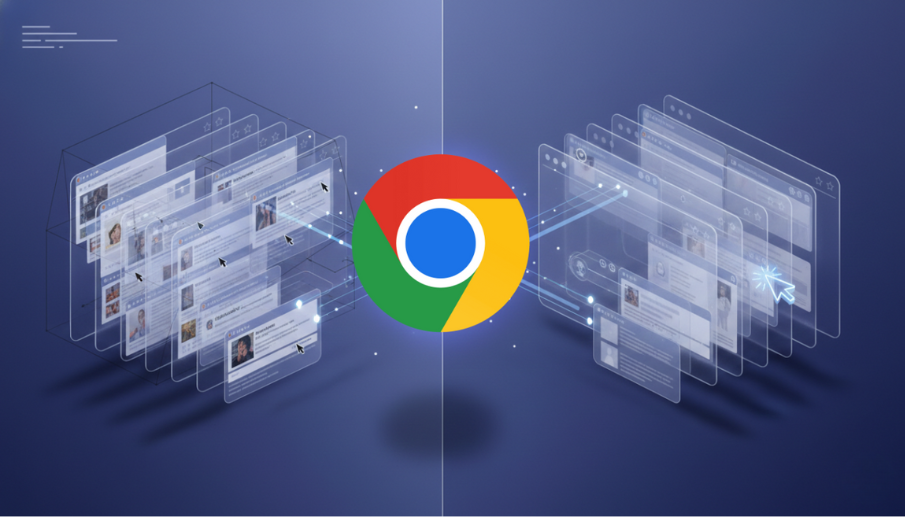
- AI at the core: Chrome now embeds Gemini AI in a persistent sidebar and adds “Auto Browse” that can perform multi-step tasks, moving beyond simple chat responses.
- Real autonomous help: These features let the browser handle bookings, online shopping, forms, comparisons and planning with user consent at key steps.
- Strategic edge: Google’s push aims to keep Chrome competitive against newer AI-centric browsers from OpenAI, Perplexity, Opera and others.
Chrome’s AI Evolution: From Passive to Proactive
For years, Chrome has dominated the web browser landscape by offering speed, compatibility, and seamless integration with Google services. But in 2026, being a browser is no longer enough. Users increasingly expect tools that do more than display web pages—they want actionable intelligence built right into their browsing experience.
Google’s answer? Weaving its AI model Gemini deeper into Chrome and introducing agentic features that allow the browser to act on users’ behalf—performing tasks that were once manual and time-consuming.
What’s New: Gemini in Every Tab
The most visible change is Gemini’s persistent AI sidebar—a dedicated assistant that understands context across your open tabs. It can summarize content, highlight key details, help plan travel, and even coordinate with Google services like Calendar or Gmail to accomplish tasks efficiently.
But Chrome isn’t just informing users anymore—it’s doing things for them. The new Auto Browse feature, powered by Gemini 3, can autonomously navigate websites, fill forms, compare prices, and research travel or shopping options. When it’s time to check out or make a payment, users still confirm those final steps, preserving privacy and control.
Why Google Is Betting Big on AI Browsing
There are two reasons Google is making this push:
1. Evolving User Expectations
Traditional browsing—searching, reading, clicking—feels outdated compared to what users see in dedicated AI tools. Integrating Gemini into Chrome enables intelligent assistance that’s always present, whether you’re researching, shopping, planning trips, or working on projects online.
2. Competitive Pressure in the AI Browser Market
New players like ChatGPT Atlas, Comet from Perplexity, and other AI-focused browsers have highlighted how intelligence can reshape browsing experiences. Chrome’s massive user base gives it leverage, but it needs more utility to keep users engaged—and prevent migration to AI-centric alternatives.
How Chrome’s Strategy Compares With Others
AI browsers are a growing segment in 2025–26. Some offer lightweight AI helpers, while others push deeper autonomy:
- OpenAI’s Atlas: An AI browser with task-oriented features and conversational agents.
- Perplexity’s Comet: Focuses on context and quick AI responses across tabs.
- Edge Copilot: Microsoft’s solution integrates AI with Windows and Office workflows.
- Brave & Others: Partner with various AI models to enhance privacy-centric browsing.
Chrome’s advantage lies not just in AI features per se, but in ecosystem depth—Gemini ties into Google Search, Maps, Gmail, YouTube, and more, meaning AI capabilities are backed by rich contextual data.
Privacy, Control, and the Road Ahead
While agentic features simplify life, they raise questions about security and data safety. Google has maintained that AI won’t expose your passwords or payment details without explicit user confirmation, and safeguards are constantly evolving.
Ultimately, this marks a shift in how we think about browsers: from tools that display pages to intelligent partners that help complete tasks and optimize our time online. With competition heating up, users can expect even faster innovation and deeper AI integration in the browsers of tomorrow.
“Looks like in tomorrow’s internet, your browser won’t just wait for your clicks—it might do half your to-dos while sipping its digital coffee.“