
A quiet obsession that feels personal
Apple doesn’t design products the way most companies do.
They design decisions — and then hide the work so well that it feels like magic.
If you’ve ever picked up an iPhone and thought “this just feels right”, that wasn’t accidental. That feeling is Apple’s real product.
Apple Doesn’t Start With Features. It Starts With Restraint.
Most tech companies ask:
“What more can we add?”
Apple asks the opposite:
“What can we remove without breaking the experience?”
This is why iPhones often appear “behind” on spec sheets — and yet feel ahead in daily life. Apple believes complexity is a tax on the user. Every extra button, setting, or option is friction.
They don’t chase power users.
They obsess over effortless users.
This is why:
- There’s no default file system chaos
- Customization is controlled, not limitless
- Settings are opinionated, not open-ended
Apple isn’t limiting you.
They’re protecting you from thinking about the device at all.
The Interface Is Not a Layer — It Is the Product
At Apple, software isn’t something inside the product.
It is the product.
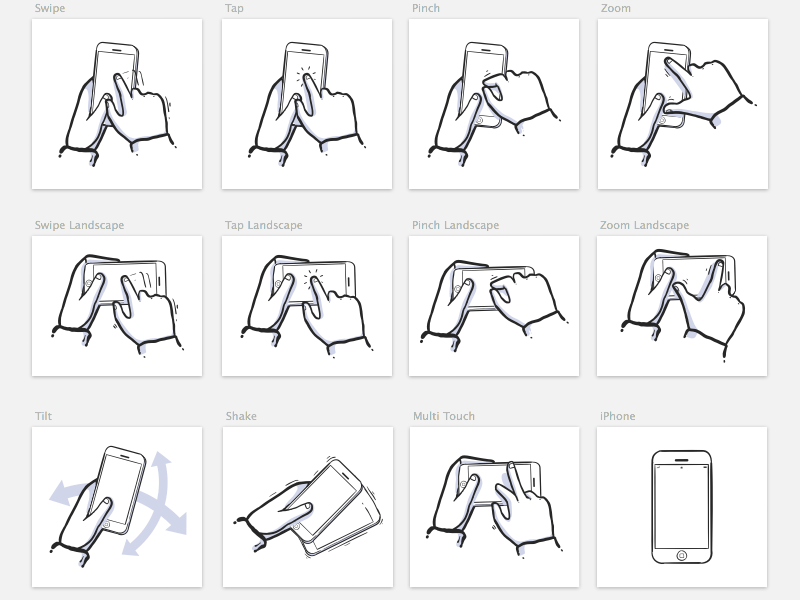
Every animation, swipe, vibration, and delay is engineered to feel human:
- Buttons don’t just respond — they acknowledge
- Animations don’t decorate — they explain
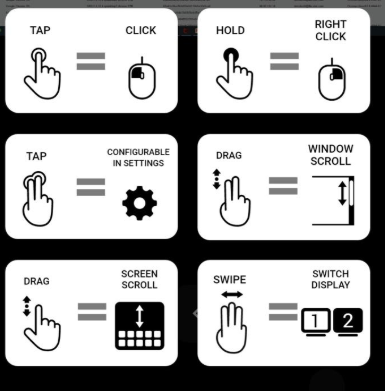
- Gestures don’t confuse — they teach without teaching
This comes from Apple’s long-held belief:
If something needs explanation, it’s already failed.
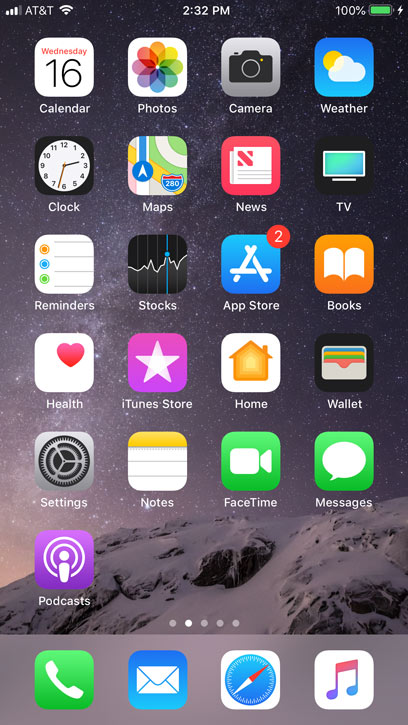
That’s why grandparents and children use the same phone — without tutorials.
Hardware and Software Are Designed Like One Mind
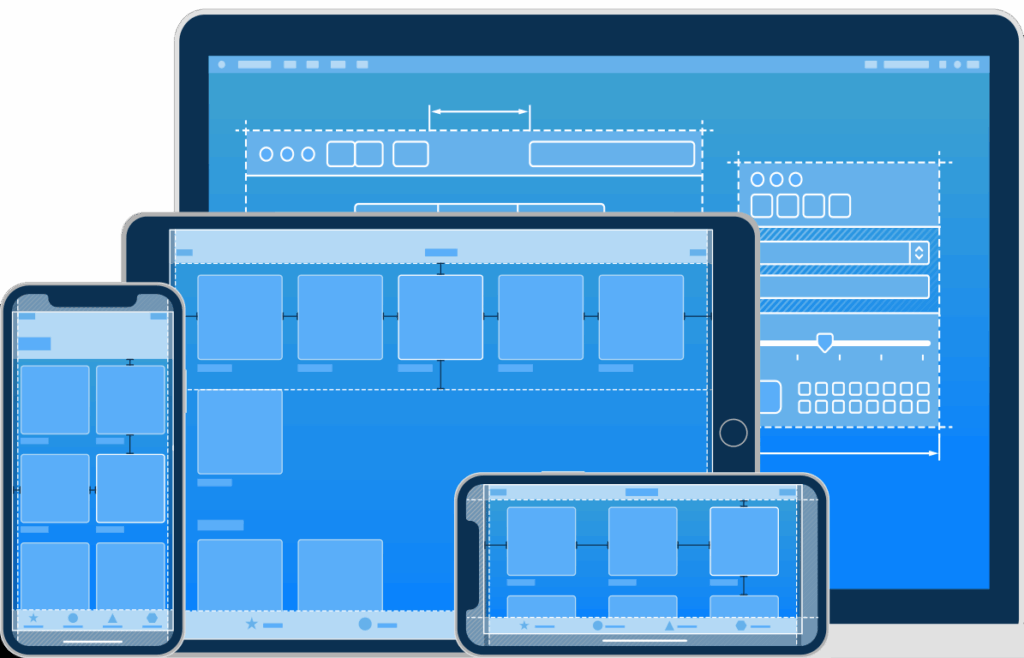
Apple doesn’t “integrate” hardware and software.
They co-create them.
The silicon team knows what iOS will need years before launch.
The iOS team knows the physical limits of the device before design begins.
This is why:
- iPhones feel faster with fewer cores
- Battery life feels smarter, not just bigger
- Cameras feel consistent, not just powerful
Specs compete.
Ecosystems compound.
The Ecosystem Is the Moat — And the Love Story
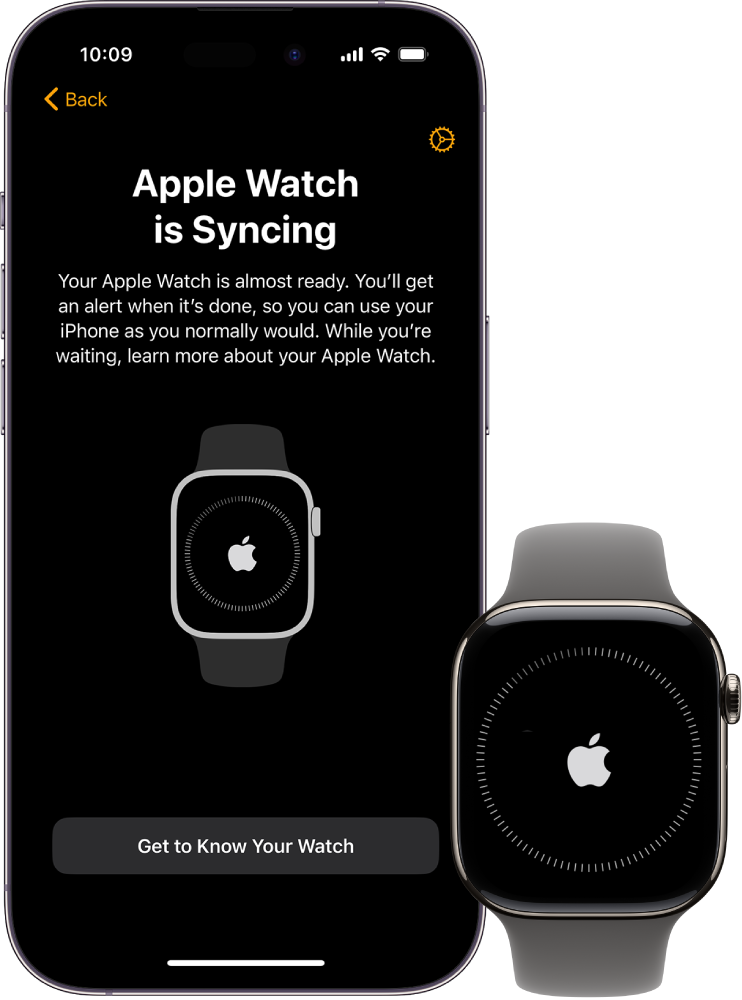
Apple doesn’t want you locked in.
They want you comfortable staying.
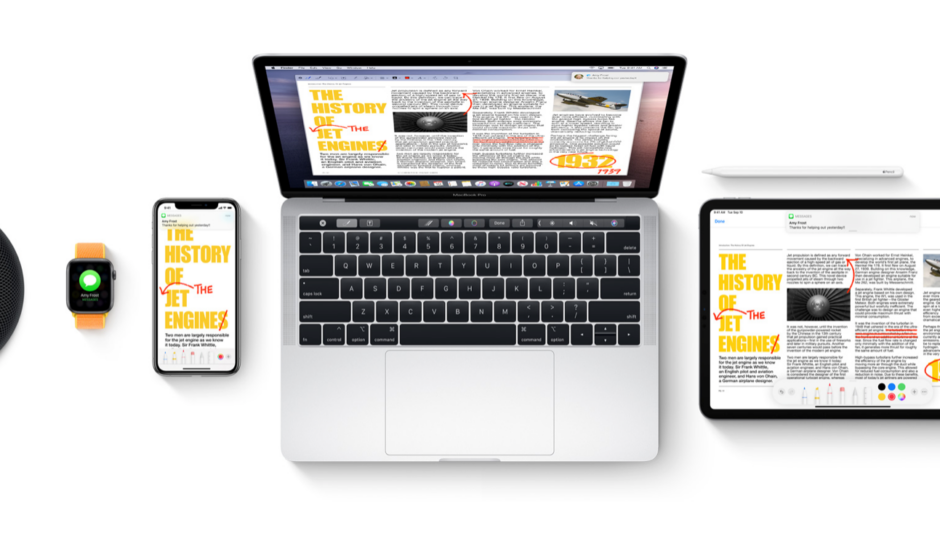
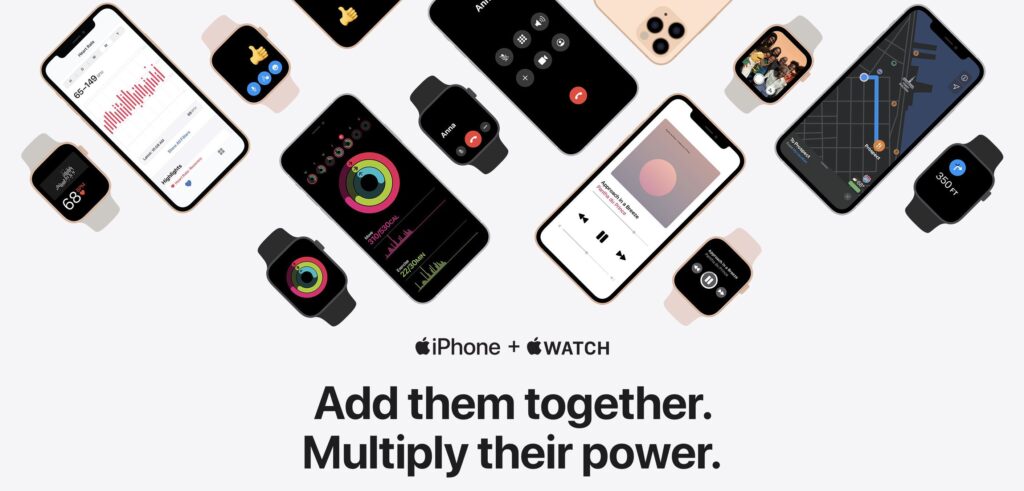
AirDrop, iMessage, Handoff, iCloud — none of these are revolutionary alone.
Together, they create a low-friction life.
Once your devices:
- Share context
- Anticipate actions
- Respect continuity
…leaving feels like downgrading your lifestyle, not switching brands.
That’s not monopoly thinking.
That’s emotional infrastructure.
Why Apple Products Age So Gracefully
Apple designs for years, not launch-day applause.
- Software updates support older devices
- Materials are chosen to age, not just shine
- Performance tuning favors consistency over bursts
An iPhone doesn’t feel old suddenly.
It slowly steps aside, with dignity.
That’s intentional.
The Real Audience Apple Designs For
Apple doesn’t design for:
- Tech reviewers
- Spec hunters
- Comment section debates
They design for:
- People who don’t want to think about technology
- Professionals who value focus
- Users who equate silence with quality
Apple assumes your attention is precious — and acts accordingly.
Why iPhone Lovers Feel Personally Attached
Because Apple doesn’t sell products as tools.
They sell them as extensions of taste.
Owning an iPhone quietly says:
- I value simplicity
- I trust good decisions
- I prefer refinement over noise
It’s not about status.
It’s about alignment.
So, Apple’s Philosophy in One Line
Apple’s real innovation isn’t technology.
It’s taste, restraint, and respect for the user’s time.
Ending on a High Note
Apple succeeds because it understands a truth most companies ignore:
“The best technology doesn’t demand attention — it disappears.“
And that’s why, years later, you still don’t say
“I’m using a device.”
You say:
“It just works.”
“If your phone ever makes you think too hard — Apple would call that a bug.”
The Apple Rule That Changed How Products Are Built